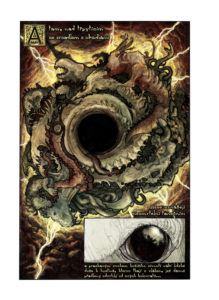
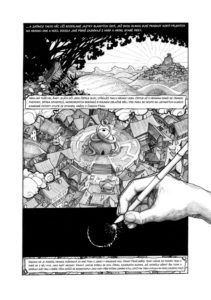
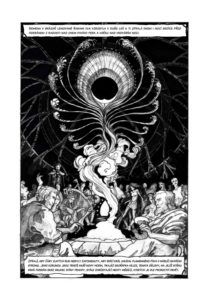
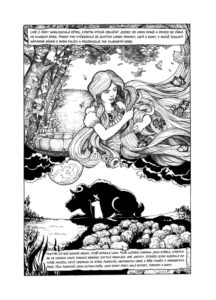
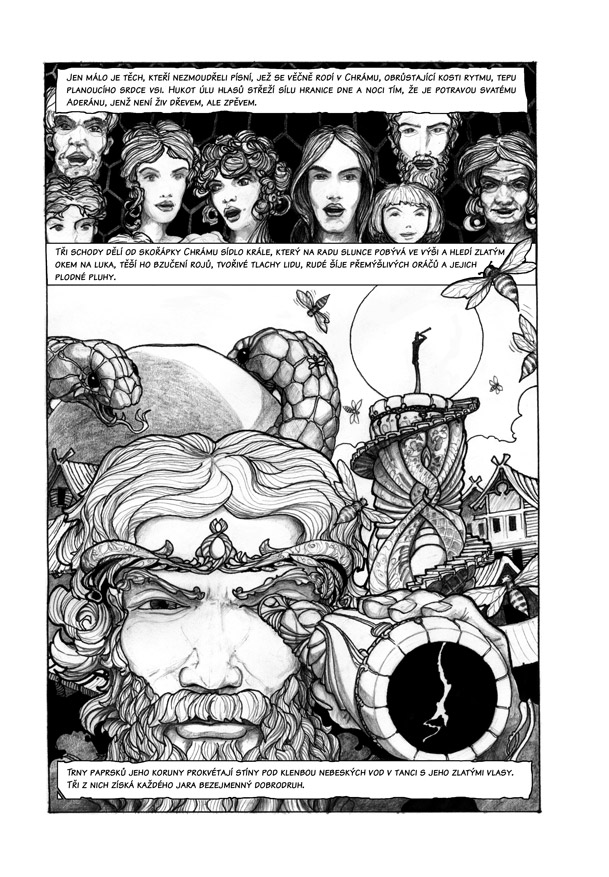
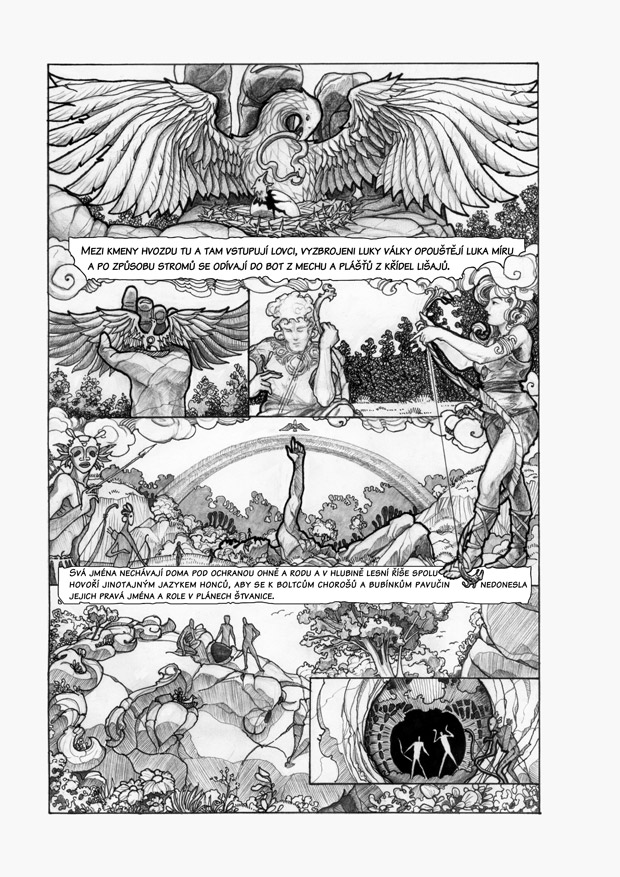
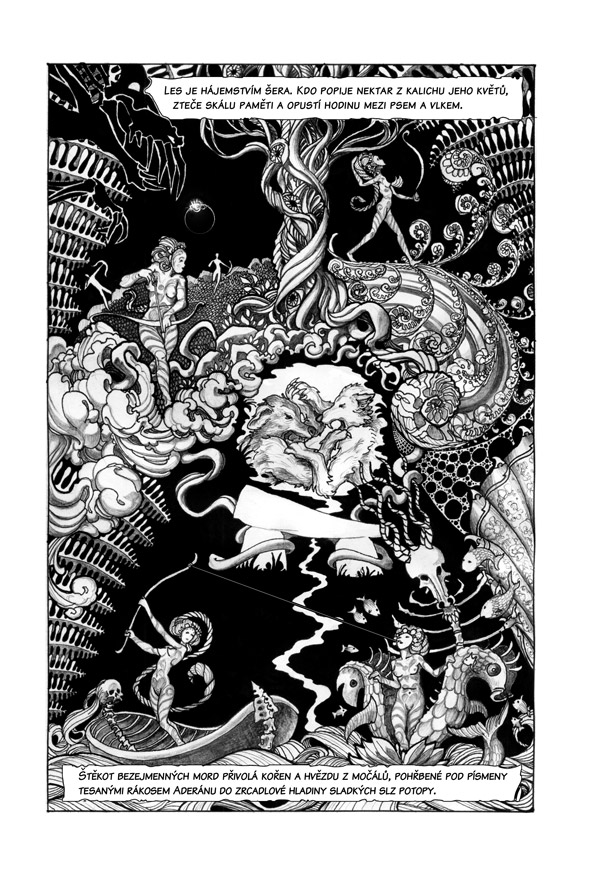
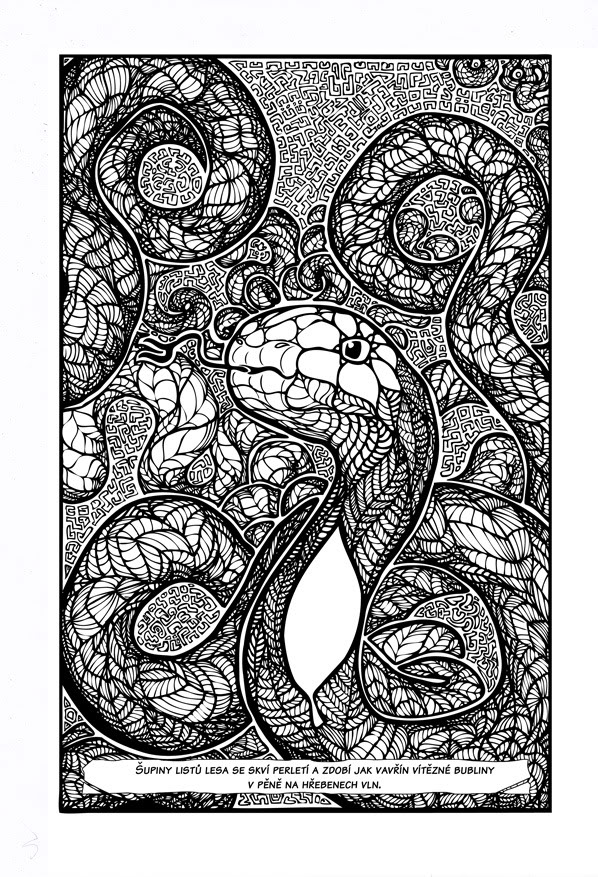
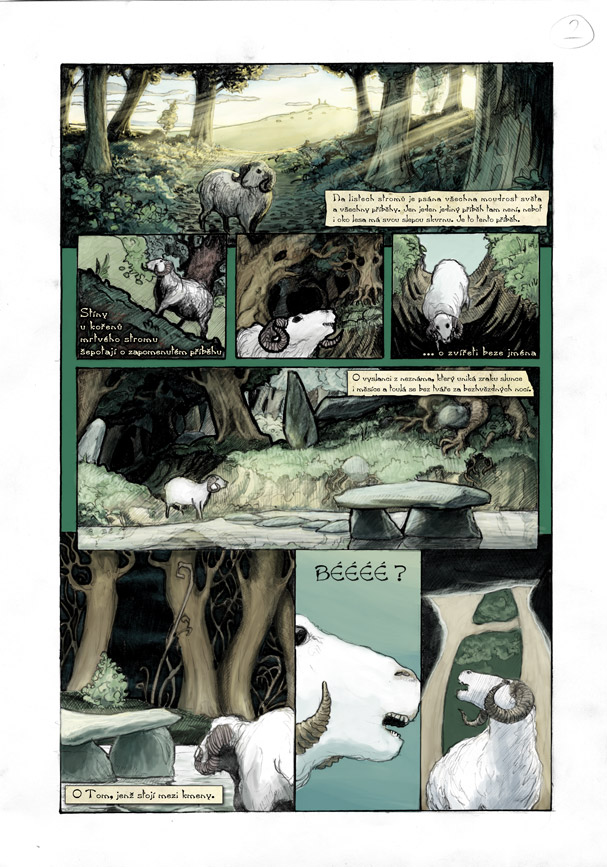
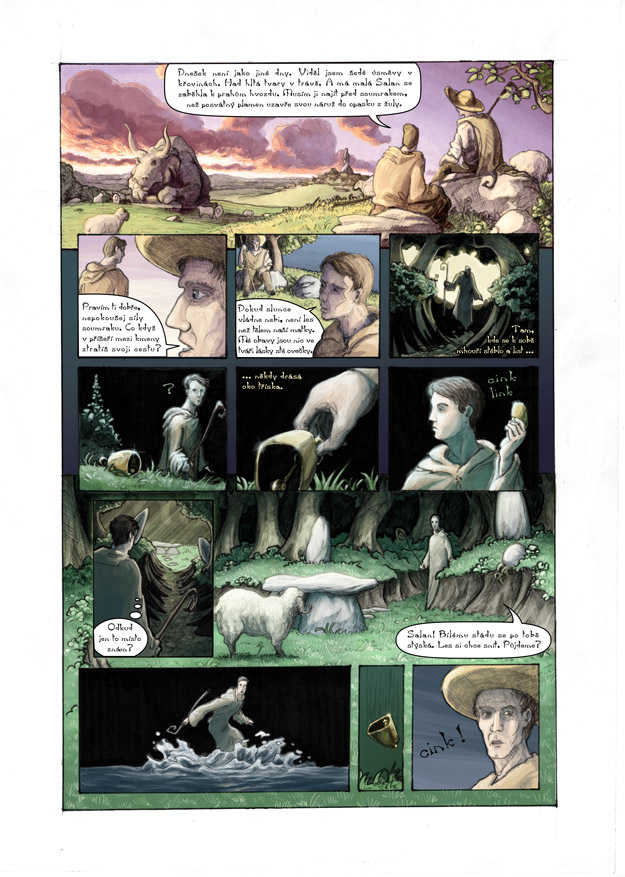
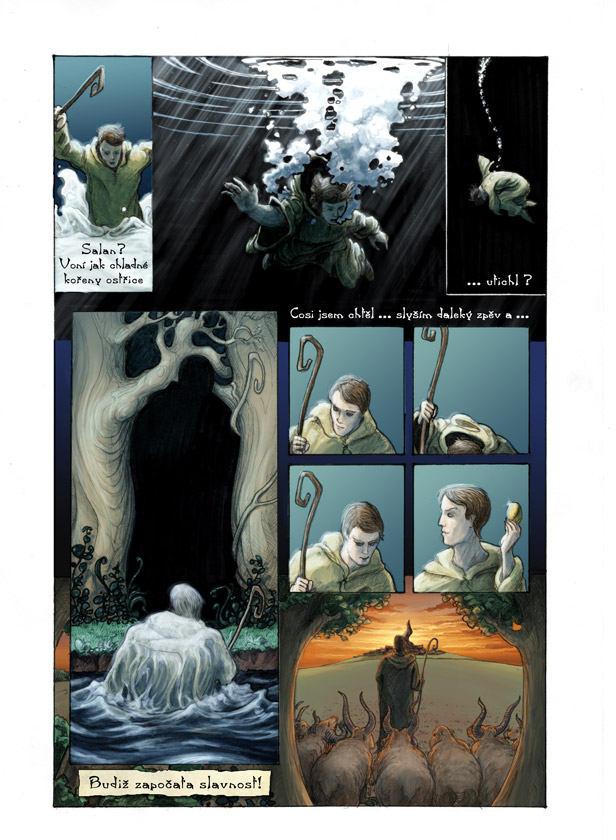
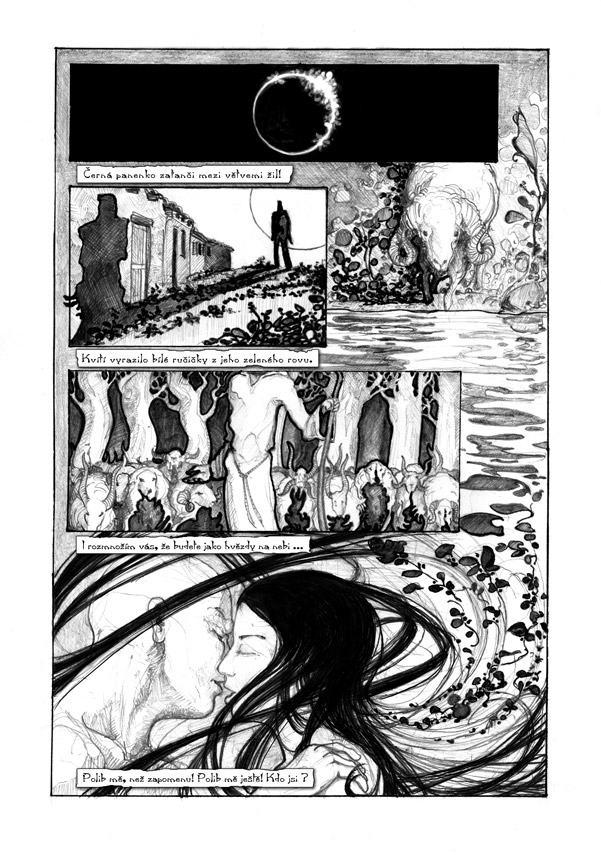
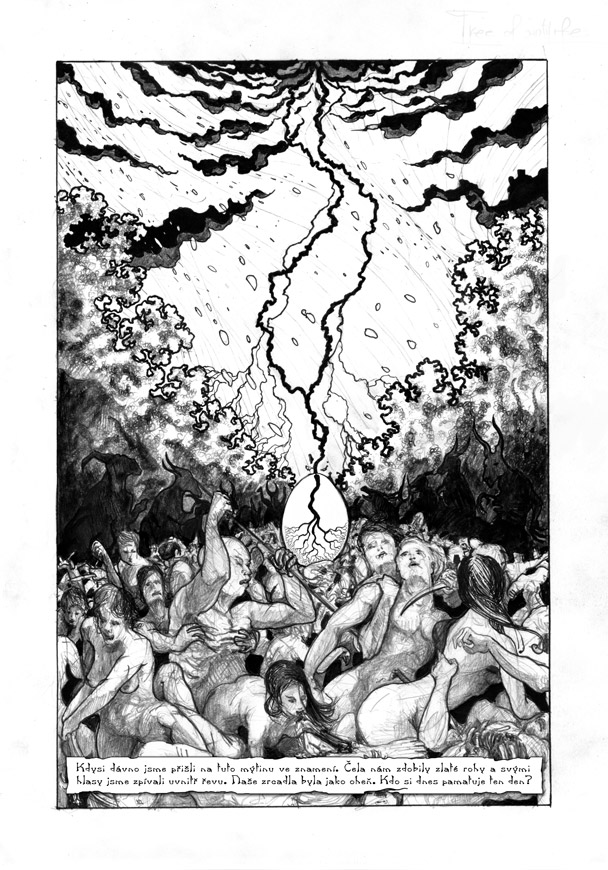
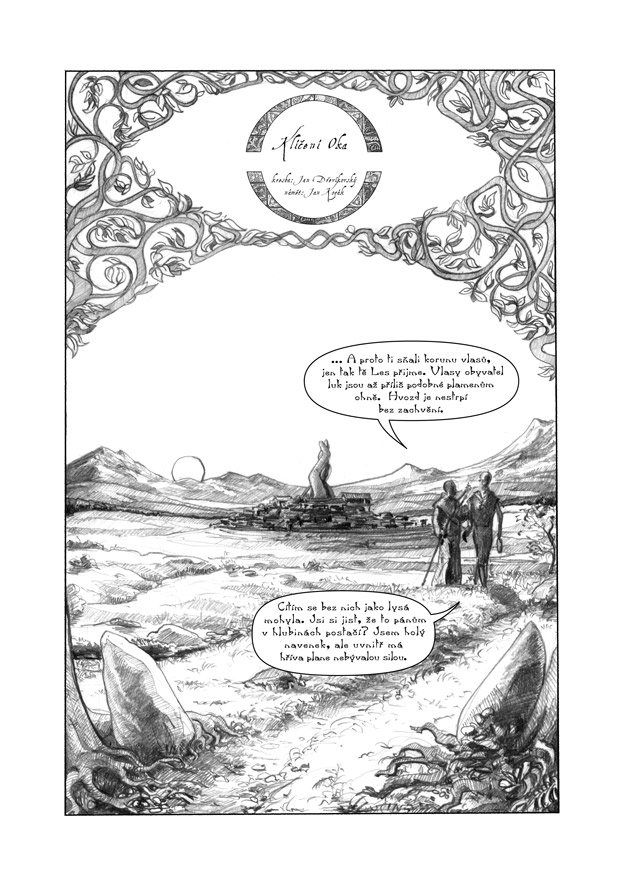
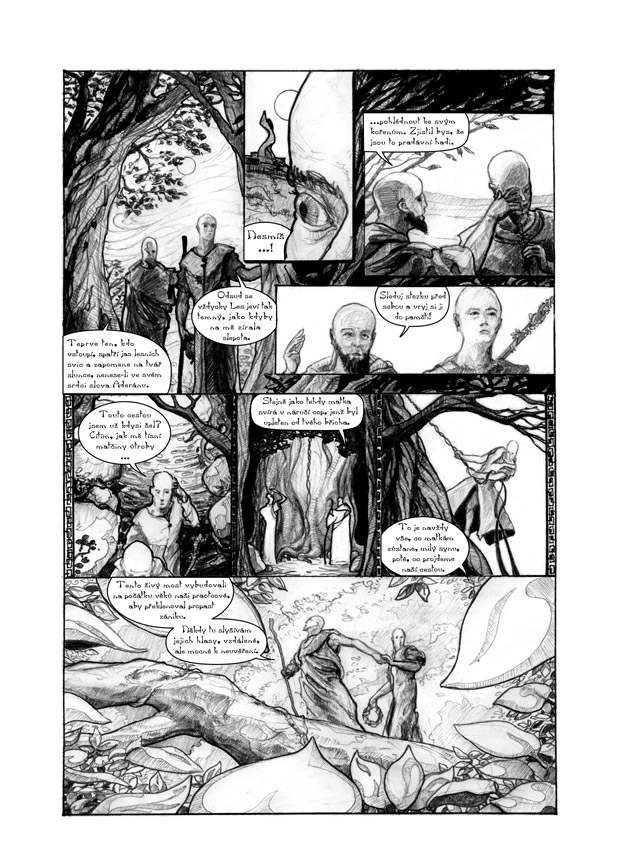
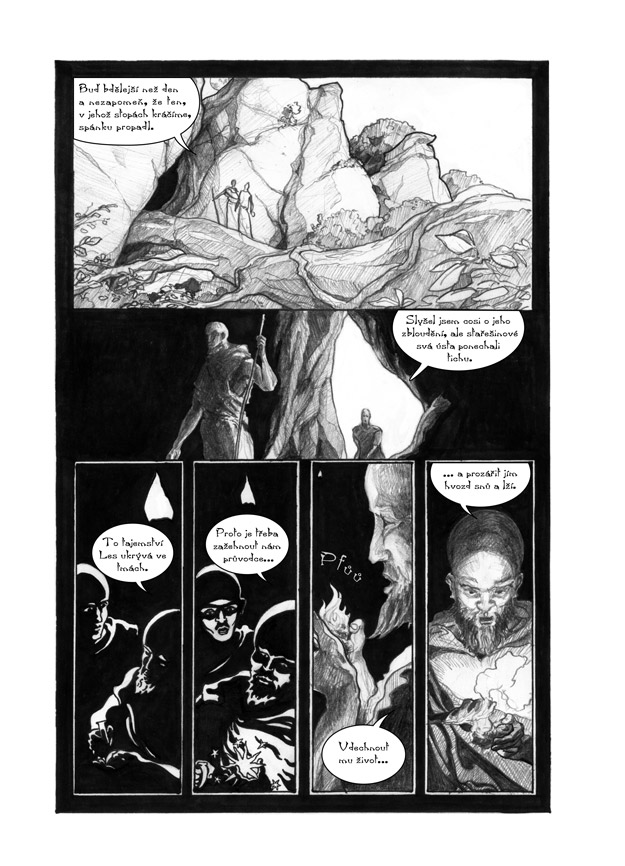
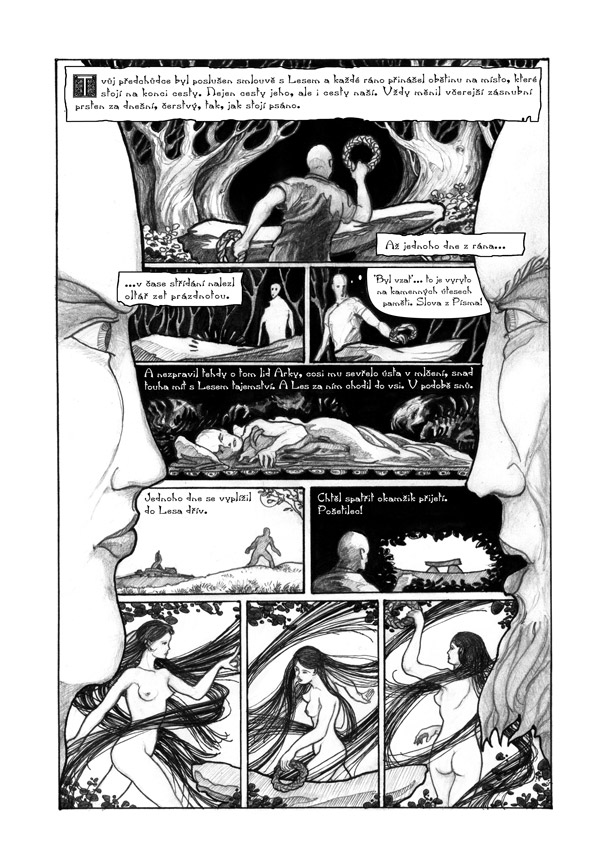
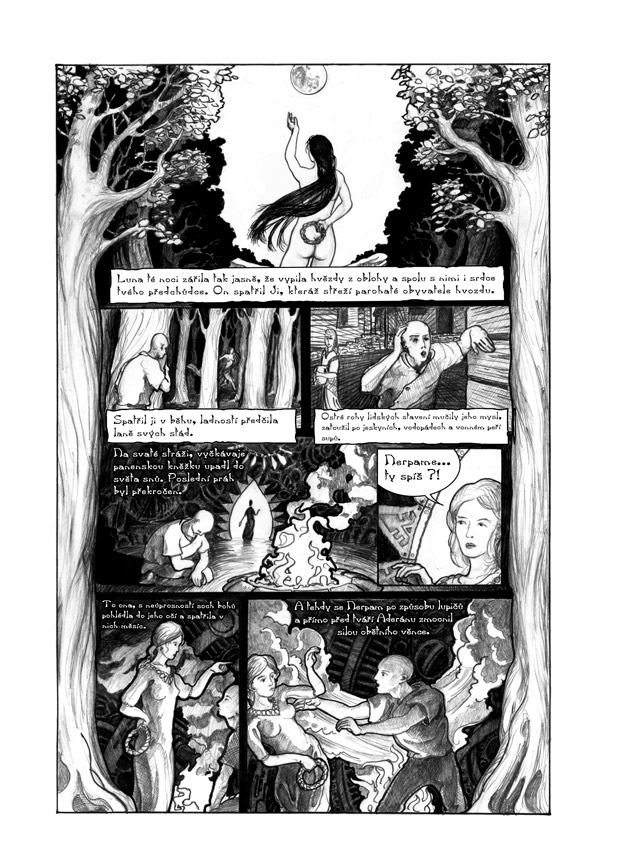
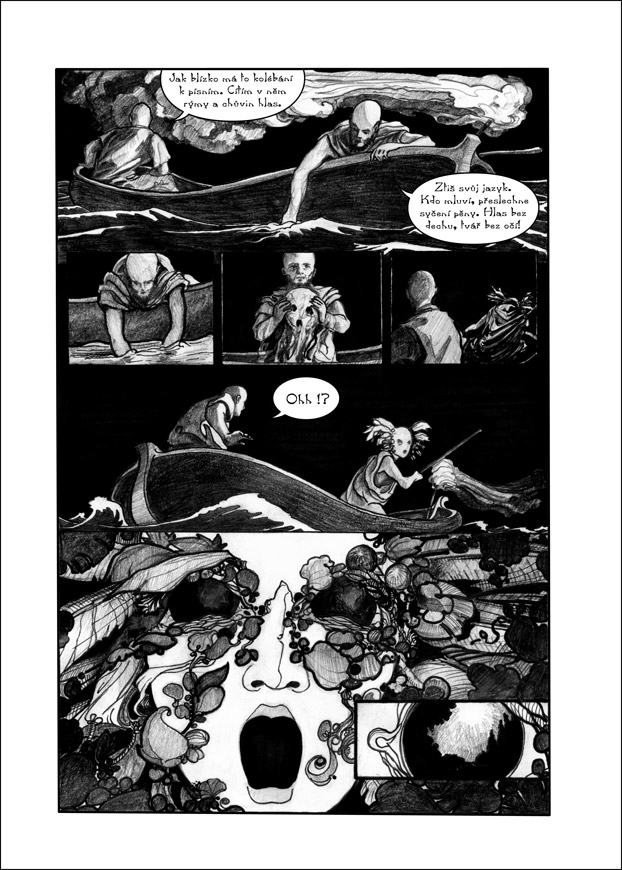
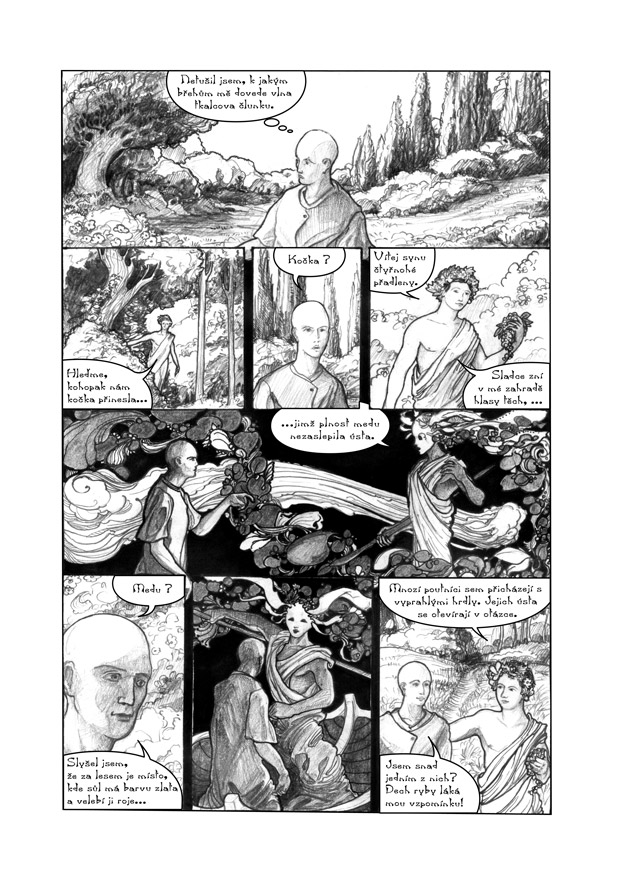
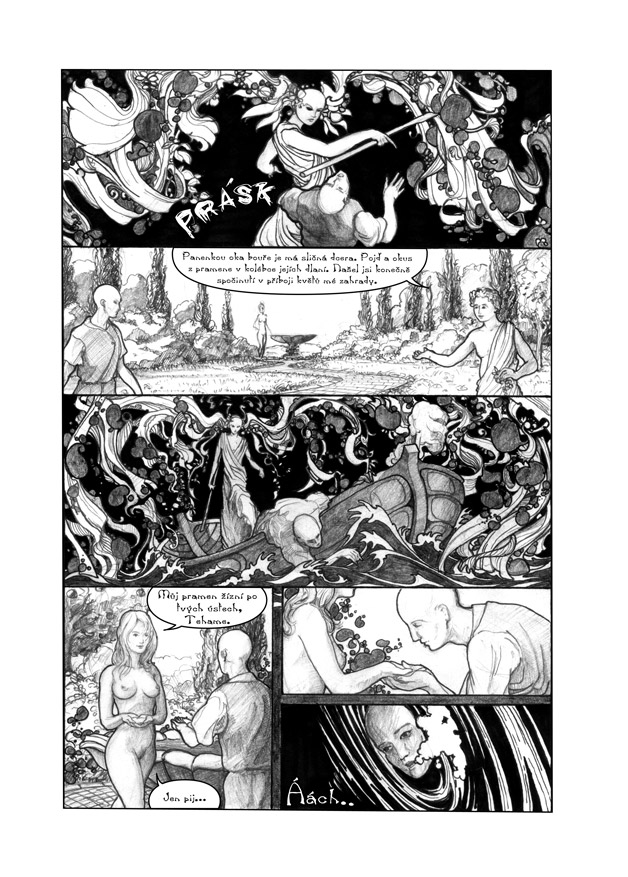
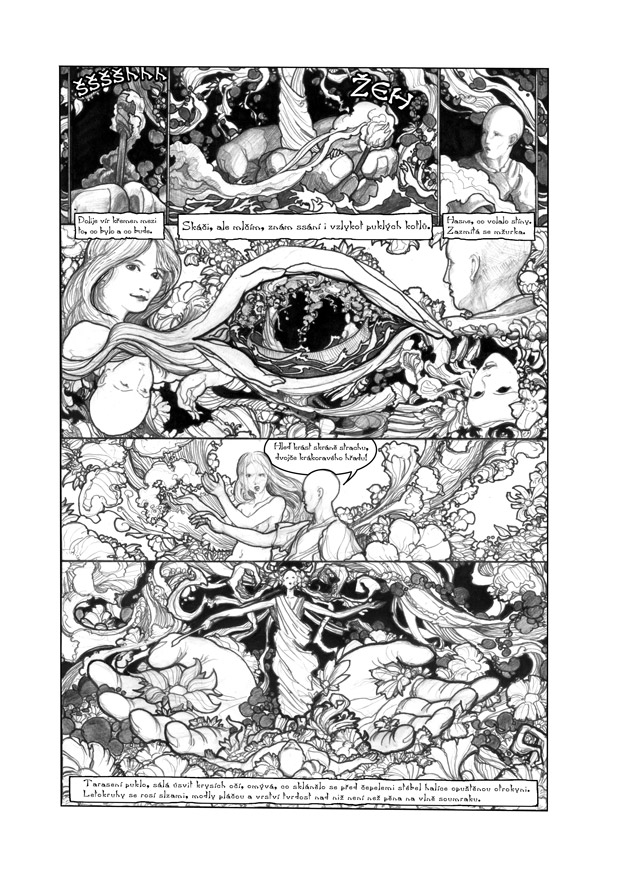
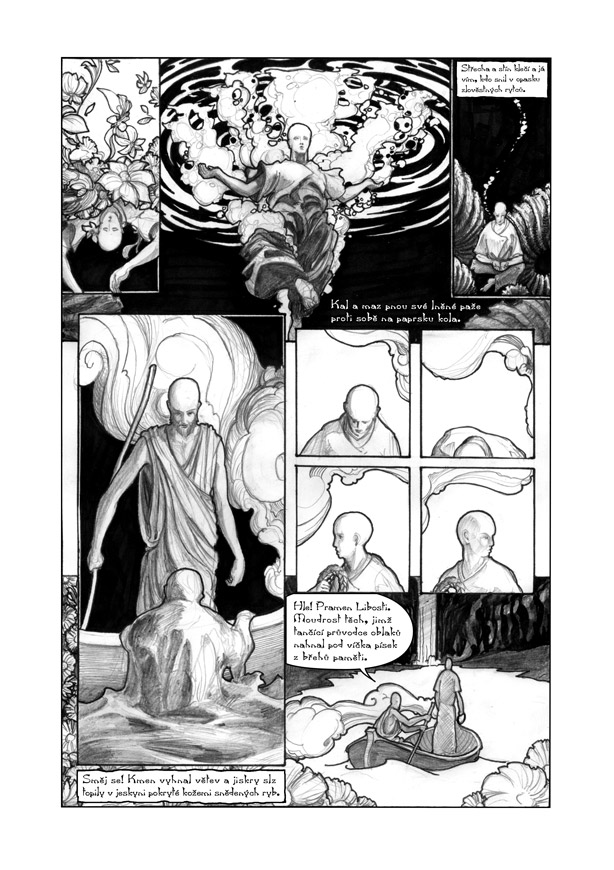
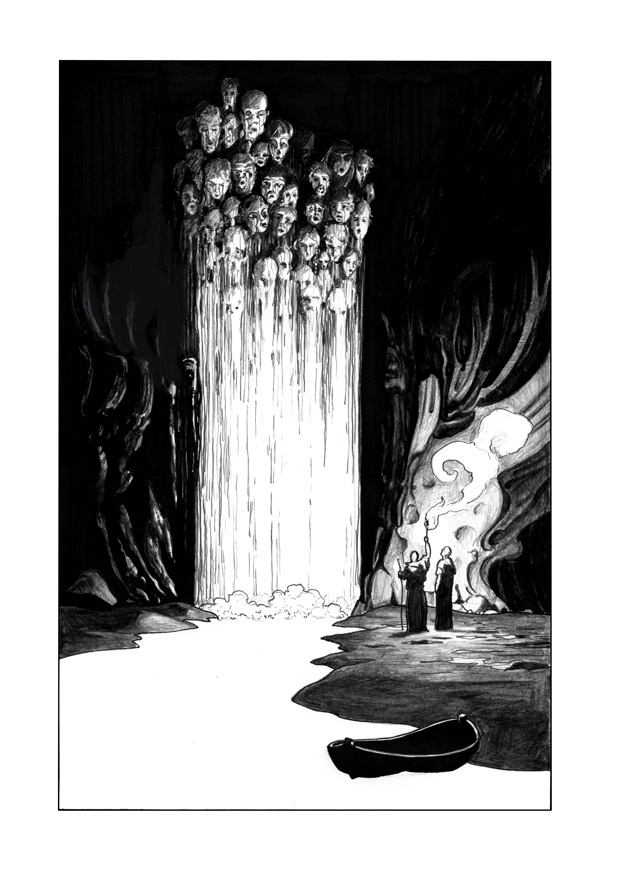
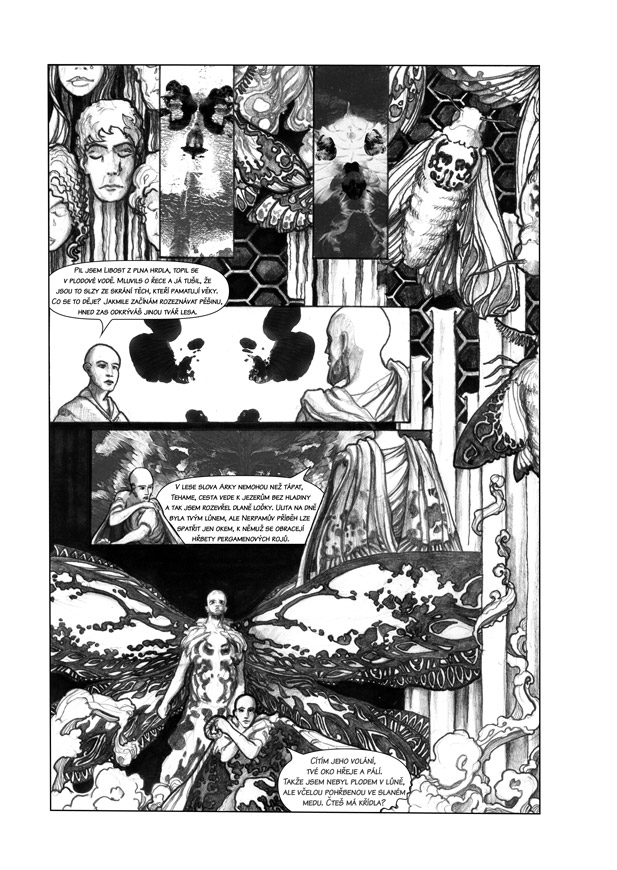
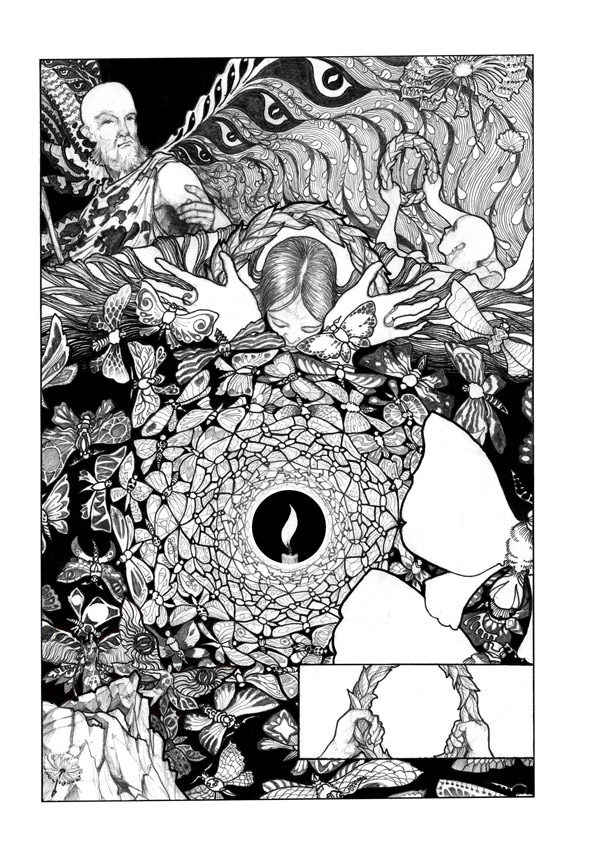
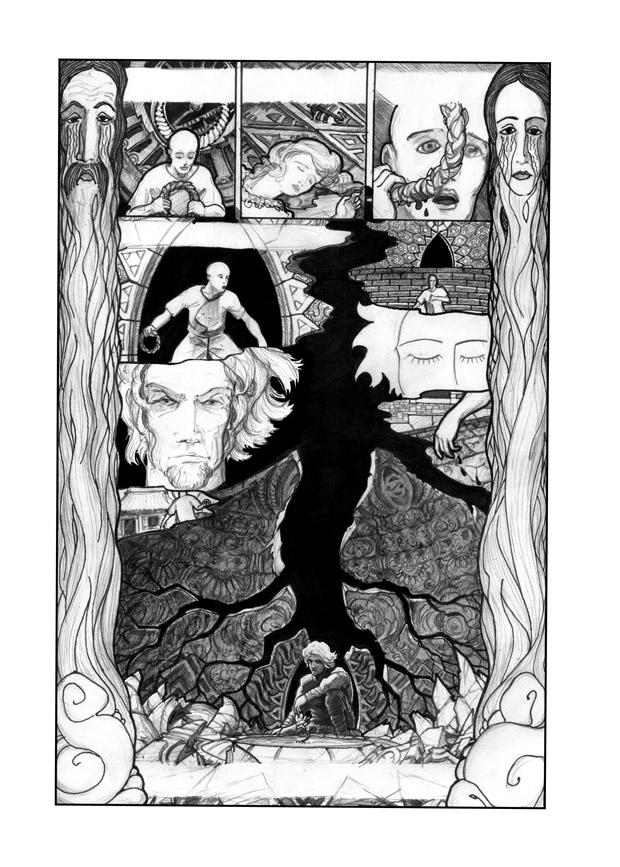
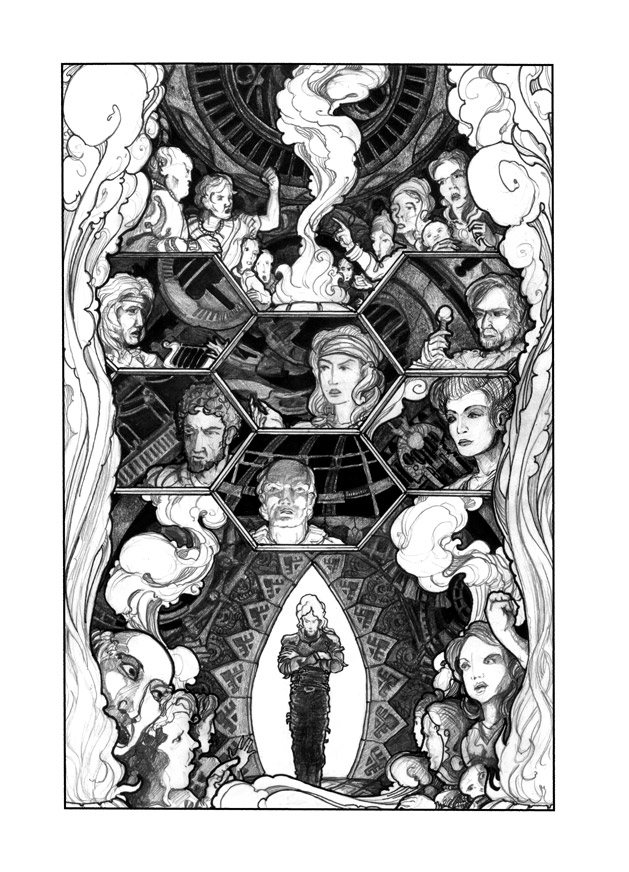
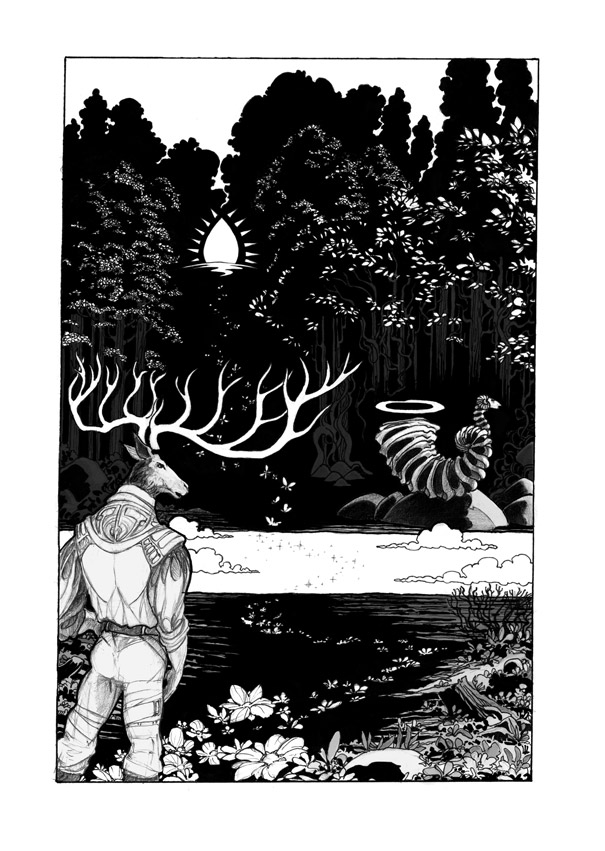
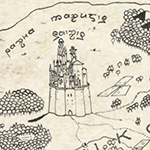
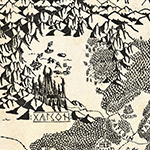
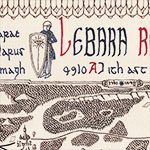
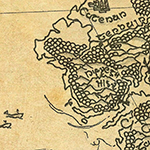
The comic, tentatively titled The Germination of the Eye, is a mysterious and prophetic work. Its beautiful, original imagery and poetic texts are crafted to the smallest detail, yet remain scarcely intelligible to the uninitiated reader. This is because, beyond the surreal nature of its content, it is highly condensed—akin to sacred texts that require commentary and interpretation to be understood even in part.
It is not a comic in the ordinary sense; its reading does not flow faster than that of a book—on the contrary, it is far more demanding. Images and words intertwine in a unique manner, complementing and commenting on one another, but above all, they mysteriously beckon through symbols which the comic itself does not pause to explain.
How, then, should a visitor understand and read the comic? It is a story of transformation and initiation taking place in the vicinity of Arka, the archetypal Ur-Village in the heart of the Forest. The motif of Arka as an archetype occurs in many variations across the world of Sirania, including Arka on Urulóka, as well as Arkagas and Valarkagas on Qurand. Throughout the comic, the symbolic image of the Eye also intertwines in its many transformations. Here, the Eye is a mirror to the eye (and thus the consciousness) of you, dear reader, who peruses these lines. The comic seems to strain from its page, attempting to reach out to you, dear eye, while simultaneously experiencing the romantic futility of that gesture.
The comic consists of two sections: the Prologue and the Story. In the Prologue, the reader is introduced to the two primary antagonists—the Forest and Arka. While the Forest is a place of concealment, chaos, unknown forces, and wildness ruled by the Night, Arka is a proud island of holy order, arranged according to an ancient Pattern. Within the Forest, a strange Herd and its Shepherd are hidden, while Arka is ruled by the stern and powerful King Razor. In the Story, which remains unfinished, a Master and an Apprentice venture into the heart of the Forest on a journey of initiation. The Apprentice himself, however, is a replacement for a previous Apprentice who failed the journey and succumbed to the Night.
Each page has (or will eventually have) an accompanying commentary that clarifies its content and highlights specific motifs and connections that play a substantial role. The interpretation does not aim to provide a single, exhaustive line of how the story must be understood, but rather to offer a rich network of clues on how to better enjoy the interconnectedness of the individual pages and moments of the plot, and how to grasp the comic in all its complexity.