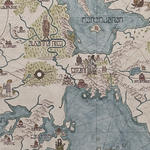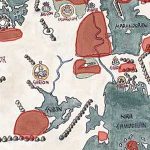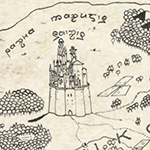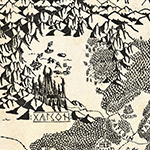
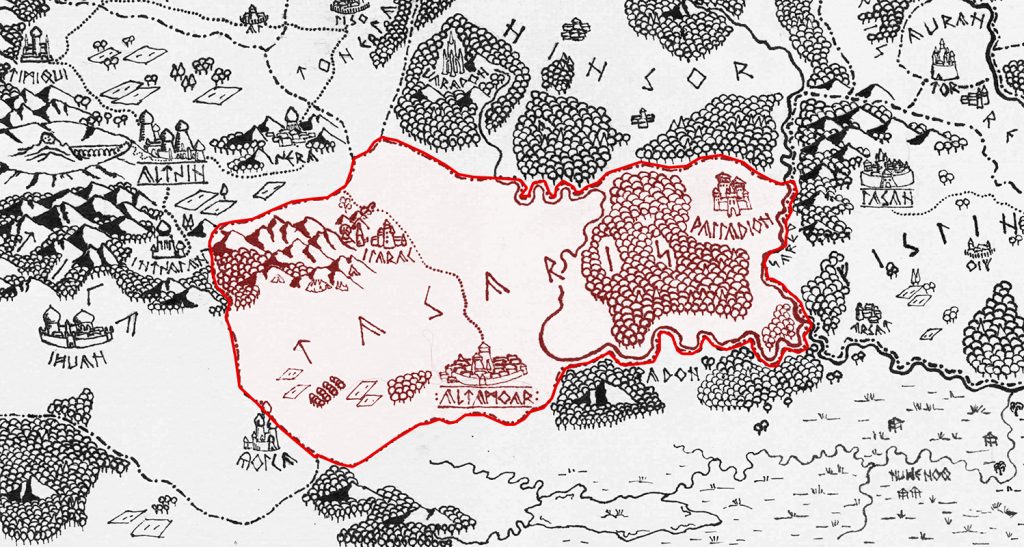
A kingdom of wealthy castles and knights encased in iron. Beside Valarkagant, Uldar, and Xalgon, the Kingdom of Tagaris ranks among the most powerful states on the map of the North. In terms of sheer numbers, it even surpasses the other mentioned lands. Fertile Tagarian fields, profitable mines, and a strategic location at the crossroads of trade routes make Tagaris the most populous northern kingdom with the largest army. Tagaris lies on the very southern border of the Northern Kingdoms and possesses both northern characteristics and cultural elements inherent to southern lands, especially the great Garion Empire.

Compared to the triad of old, illustrious cities of the Far North, whose histories go back at least a millennium, Tagaris is a relatively young country growing at a breakneck pace. Tagaris as a state emerged as a result of the colonization efforts of Garion, the most populous city on Qurand, which approximately three hundred years ago founded Altamoar as its trading post—a transshipment point for goods from the South destined for the northern kingdoms. However, the presence of a prospering urban colony provoked the local feuding nobility, who until then had spent most of their time in unproductive internal disputes. The nobles found a common enemy in the growing influence of Garion, united into a remarkably functional alliance presided over by an elected king, seized Altamoar, and ever since, the wealth of Garion has flowed through their hands. The united Tagarian forces then surprisingly defeated (though at the cost of great losses) the Garion legions sent to punish the seizure, which significantly improved their negotiating position. Garion decided that instead of further losses, it would rather agree to trade treaties that were ultimately beneficial even for itself.
The prospering nobility was satisfied with the establishment of internal peace; nevertheless, they continued arming and building castles—partly as a precaution against the forces of Garion and partly because the masters of Tagaris envisioned their future as hegemons of the entire region. The combination of sudden profits and resources with a construction-and-armament mania led to the building of an enormous number of castles, fortresses, and equipment. The nobility also left nothing to chance; instead of entrusting trade to the burghers and allowing them to grow rich and strong, they took on the role of merchants themselves. Thus, Tagaris did not experience what happened in many other wealthy countries: the gradual rise of cities and their inhabitants as an independent social class.
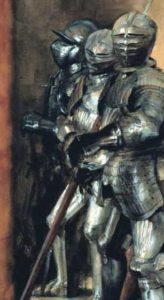
The capital city of Altamoar itself is carefully divided into districts belonging to individual aristocrats, who serve as guarantors of individual guilds and commercial activities. In Tagaris, everything is about authority, power hierarchy, and control. Outwardly, the controlling character of the culture manifests in the solid walls of castles, the heavy armor of soldiers, and strict procedures at the borders of individual territories. The land is rich in iron ore, and Tagarian soldiers are renowned for the massiveness of their armor, which is decidedly thicker and heavier than, for instance, Paladin armor. On the other hand, it is not very easy to move in. It is known of the Tagarian hosts that they march slowly, yet unstoppably.
Tagaris is an expansionist kingdom. It was not long ago that they seized the small principality with the capital of Ilarak, and they also systematically continue to exert pressure on Meltika, which lost the plains in front of its city, Yolka. Meltika was thus forced to arm and defend its territory, which is unfortunately poorly naturally protected on the border with Tagaris. On the opposite side, Tagaris also expanded until it was halted by a dense forest—which, however, despite the wrath of the Drúvids and Elves, the Tagarians began to fell. Watching this, the peaceful Figlyns, living practically behind the forest, turned to the Order of the Paladins for help. The Paladins pledged to stop the expansion and for that purpose constructed one of the largest Order fortresses ever: Palladion I. For them, it was a convenient pretext to gain influence and control over a portion of the Northern Kingdoms.
As has been said, the ruler of Tagaris is always elected from among the aristocracy; the system does not allow for hereditary kingship. The king is currently a stern strategist named Raud, and his advisor is one of the Seers, the blind Agath. Some say it is precisely thanks to Agath’s counsel that the Tagarians rose to such prominence that they were able to stand against Garion.