It is paradoxical, yet fitting, that The Path holds so much power in the world of Urulóka, whose name could otherwise be translated as “The Pathless Waste.” Every living creature in Urulóka possesses a natural ability to sense the difference between the miracle and privilege of the Path and the confusing snares of the Pathless Waste.
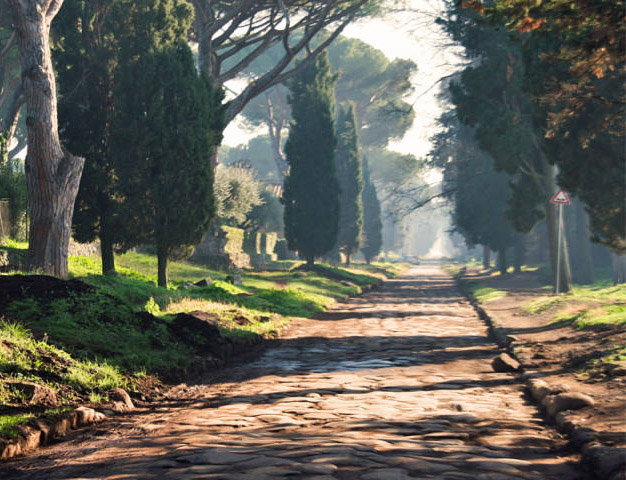
It is true that in the world of the gods, where everything is made of gold, gold has no value. Likewise, on Qurand, no one has truly encountered the Path because they have never truly encountered the Pathless Waste. Yet for the inhabitants of the straying worlds, the Path is more than the radiance of the sun itself. Its ancient stone paving is solid and safe; neither hungry spirit nor brigand dares to set foot upon it, and the twisted intentions of the Forest and the Night have no influence over it.
And above all—the Path always leads to a goal. We all know that feeling in a pale reflection: suddenly the thicket parts, and we behold an ancient road upon which conscious souls have journeyed since time immemorial. We know that the ancient Builder had a Plan and constructed his Path to lead Somewhere. Once we have found the Path, we know we are no longer lost. We see travelers, we see cities, we hear human voices, the clamor of different tongues… we can almost see the joy in the faces of old friends and kin with whom we reunite in the inn. Not those petty, envious neighbors from the Lost Villages, but friends of the Path who, like us, left their foster-soil and, clad only in simple robes, set out to find the place from their memories.
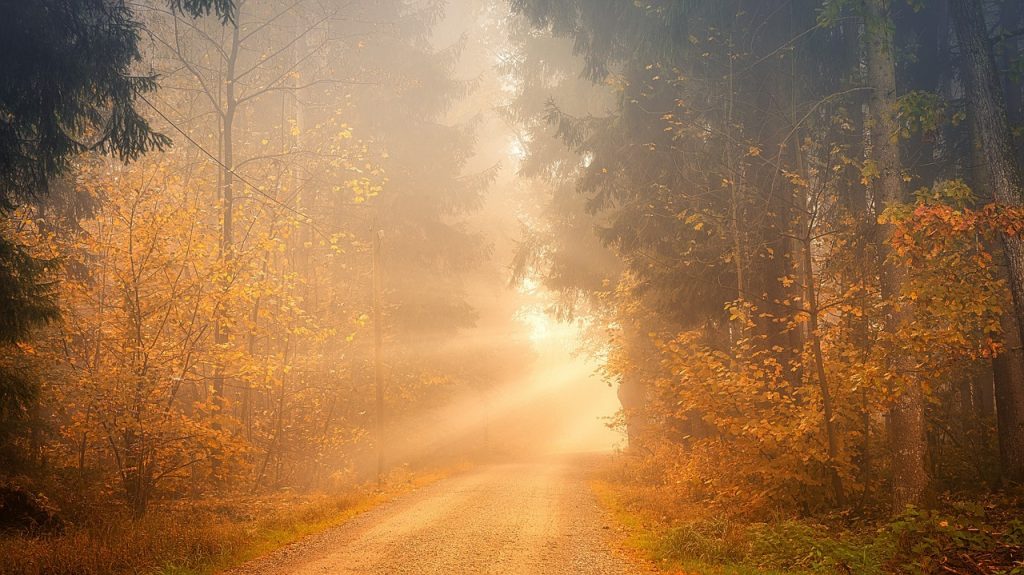
The place of final Reunion at the end of the Path is called the Citadel of Amber, and it can be spoken of only through laughter, tears, or song. Only once was an attempt made to write the Citadel down using signs. Those signs were runes, and the Record is called Arka. Yet the signs were written in blood, for every ink is ultimately blood—the blood of the living who become dead so that they may be remembered.
Now, however, something tangible must be said about the Path and its essence. It is a difficult task, for the Path resists it; it has its own will, it is headstrong, and like a wild stallion, it tosses about, refusing to be described in the language of bits and spurs. One thing is certain—he who has not matured for it shall not find it. Paths and pavings occur even in the pathless waste, but they provide no meaning or goal, for in themselves they are nothing. The Path is made by the true Traveler or their germinating seed. It is said that the Traveler and the Will are one and the same, and therefore, in whomsoever will grows, they have begun the Sprouting. We speak of the unwavering will to find, which cannot be talked out of its purpose by any of the voices of the Ancient Council.
The Path was built many ages ago. The ancient Builder is said to have gazed upon the stellar tracks and seen within them the perfect solution. Like all perfection, it split into two sides: the Path could lead to the very gates of the Citadel, or it could be a perfect trap, closed within itself, being its own purpose. But the ancient Builder was more human than the stars; he suspended the Path between two rows of teeth and let it be chewed for three ages until it was harder than adamant and more delicate than a loving turning-away. Then it was said to be so thin that it slipped between the wooden nails of the Three Weavers and could not, therefore, be entangled in the Fabric of Fate. The Builder called it the Hair of Forgiveness and hid it carefully beneath a heavy and wide layer of marble paving stones. Thus we know the Path today.
The Path has many faces, and upon them many masks. The most famous among them are these:
The Silk Road
This trail was woven ages ago by the Mulberry Weavers from a silken thread so thin it cannot be seen. It winds through forests and deserts, and only those who listen to the whisper of the moon can see, in its light, the shimmer of the otherwise invisible strand. Thus, it is clear that this path can only be safely walked on cloudless nights and during the days surrounding the full moon.
The Amber Road
The paving of this road is true and original Amber. Not the kind we know from the gloomy worlds or sober Qurand, but an ancient, soft stone, warm to the touch, clear, honey-colored, which glows dimly with an inner light and rings softly when touched. The Amber Road is paved with such stones, and it always journeys only through the night just before dawn. To those held captive by time, it can appear for only a brief moment. Every step upon it emits a different tone, gradually calming the hearts of the hurried, until many finally sit upon its warm paving and listen to the murmur of the night.
The Bull’s Way
This is the most famous of the paths that do not belong to men. The Bull’s Way was created by the hooves of mighty herds; it is made of earth and, along its flanks, constantly opens into fertile pastures and whispering meadows. Buffalo, bison, gazelles, and deer walk upon it, and man is permitted to travel it only if he is unarmed. During certain parts of the year, when the herds celebrate their various festivals, people are advised not to step onto the path, as they might be accidentally trampled by the hooves of enthusiastic, horned crowds.
The Road of Hosts
The honest stone paving of this road bears the clear signature of the ancient Empire. Now, in places, it is overgrown with moss and ivy, yet it leads to all corners of Urulóka from the gates of the Eternal City, which now lies in ruin. The solidity and worldliness of the Road of Hosts make it most suitable for the safe movement of armies; thus, thousands of years after the City’s fall, iron-shod boots still hurry along it. The wise know that its beginning is the Eternal City, but its end is the Eternal Battle.
The Royal Road
It is said that this is the path chosen by Travelers when they wish to grant their company a safe and comfortable journey. The road leads across plains, forests, and wetlands, through day, night, storm, and misty calm; it avoids neither summer nor winter, heat nor icy cold. Yet upon the road itself, it is always milder, almost as if protected by an invisible vault. Lanterns line the sides of the road, and milestones mark the miles traveled.